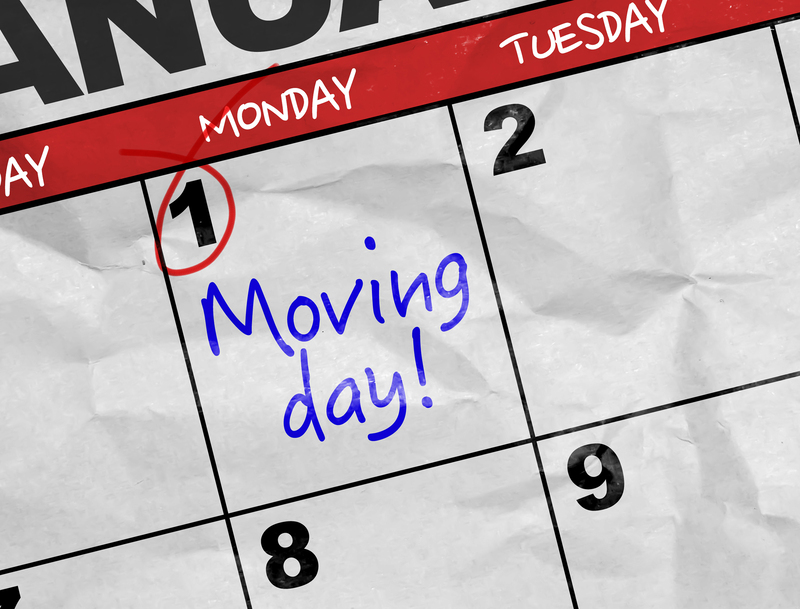
Removals in Windsor

Removals in Windsor should feel organised, practical and suited to the property you are moving from or into. We provide a straightforward removals service for households and businesses that need furniture, boxes and mixed belongings moved with care. The work can be planned around a full property move, a partial load, or a simple item transfer, with an emphasis on sensible handling and clear arrangements rather than unnecessary extras.
Our service covers the day-to-day parts of moving that matter most: loading, transport, unloading and, where required, support with packing or packing materials. For customers comparing options, the key difference is often not just vehicle size, but how the move is coordinated. That is why we keep the process practical, with a focus on access, item type and timing. If you are ready to discuss your move, you can ask for a quotation in plain text or browse the relevant service pages first.
We work across a range of removal jobs, from domestic moving to business relocation support, and we aim to keep the service easy to understand. If you need a careful, local removals option with room for different move sizes, this page explains the main choices and how to prepare useful information. For a more detailed look at service options, see our removal services page, which sets out the broader scope of the work we can help with.
House removals and home moving support
House removals are usually the heart of the service, and they can vary a great deal from one property to another. A flat move may need attention to stairs, lift use and tighter access, while a family house move may involve larger furniture and a more varied load. We plan domestic removals to suit the property, the number of rooms and the types of items being moved, so the job is structured in a way that makes sense for the customer.
Where packing support is needed, it is often useful to combine the move with packing and unpacking services. That can help reduce the pressure of getting fragile items, kitchen contents or mixed household goods ready in time. For customers who only need part of the work done, it is also possible to keep the move focused on transport and handling alone, leaving packing to the household. A brief description of the furniture, the floors involved and any awkward access helps shape the right approach.
Domestic moving is rarely just about lifting and driving. It usually needs a sensible order of work, good communication and enough flexibility to handle items that do not fit neatly into standard boxes. Large furniture, fragile items and mixed household loads all benefit from being grouped clearly before the day of the move. If you are comparing services, our home moves page gives a practical overview of the residential side of the work.
Commercial removals and office relocation

Commercial removals need a different rhythm from domestic work because business equipment, paperwork, desks and storage all tend to have their own priorities. We handle office removals with a view to keeping the move orderly and manageable, whether the job involves a single suite, a shared workspace or a larger relocation. Planning matters here because equipment, access and timing can all affect how the work is carried out.
Many business customers prefer to separate furniture movement from general office planning, which is where a dedicated relocation page can be useful. Our office relocation services page covers the kind of move that often needs an organised sequence, especially when desks, chairs, filing and stock all need attention. The aim is to move items in a way that suits the working pattern of the business rather than forcing everything into one generic process.
If you are arranging a workplace move, it helps to note what is being moved, whether there are heavier items, and whether access is straightforward or restricted. That information makes it easier to judge the most suitable vehicle and loading plan. For smaller commercial jobs, a direct move may be enough; for broader projects, a more detailed plan may be needed. Either way, the service is designed to keep the moving side practical and clear.
Vehicle options for different moving jobs

Some customers only need transport and loading support rather than a full property move, and that is where vehicle-based removals can be helpful. Depending on the job, we may discuss a man with van style arrangement, a removals van, or a larger moving vehicle if the load is more substantial. The useful choice is the one that fits the items, the access and the number of trips required.
A smaller vehicle can suit partial loads, single rooms, furniture collection or straightforward point-to-point moves, while a larger vehicle may be more efficient for full house contents or business equipment. Customers often ask whether a compact load can be managed in one journey, or whether a larger vehicle would reduce handling. The answer depends on the actual items, not just the postcode or the headline job type. We keep the service flexible enough to cover both.
For customers comparing service formats, our man and van removals page and moving van page offer useful ways to think about vehicle-led work. These pages can help you decide whether you need a lighter-touch collection, a focused local move or a fuller transport solution. If you are not sure which format fits best, it is usually enough to describe the load and the access in plain terms.
Packing, protection and careful handling
Packing and handling are closely connected, because the way items are grouped can affect how safely they travel. Fragile belongings need more than just space in the van; they need sensible positioning, stable loading and clear separation from heavier objects. If your move includes delicate household items, boxed stock or mixed contents, the packing stage can make the moving day smoother and more controlled.
Our packing and unpacking services can sit alongside removals when a customer wants help preparing items for transport or settling them at the destination. This is especially useful when the move involves an awkward timetable, a busy property, or a lot of different item types. Packing can also reduce the time spent on the day arranging loose belongings, although it remains important to be realistic about what needs specialist care and what can be packed more simply.
One practical way to prepare is to separate the move into broad groups: fragile items, heavy furniture, everyday boxes and anything that needs dismantling or special attention. That does not require a full inventory from every customer, but it does help to have a clear idea of what is involved. A small amount of preparation can save time later, and it also makes it easier to match the work to the right removals approach.
Pricing factors and quotation requests

Removal pricing is usually shaped by a mixture of load size, access, journey length and any extra handling required. A straightforward move with easy parking and a small number of items will not be the same as a multi-room property with stairs, long carries or awkward access. Because of that, it is better to describe the actual move than to rely on a rough guess based only on property type.
Our pricing and quotes page is the place to go if you want to understand how a quotation is put together. In practice, the most useful information is usually the number of rooms or items, the start and end locations, whether there are lifts or stairs, and whether you need help with packing, dismantling or loading. Keep it simple and accurate, and the quotation process becomes easier for everyone involved. Clear details lead to a better match between the job and the service.
If you are at the stage of comparing options, ask for a quotation once you know the main items and any access limits. You can also use the pricing page to sense-check whether a partial move, a full move or a vehicle-only solution is the best fit. Request a quotation when you are ready, or read on for more about the service and the area.
Furniture collection and single-item moves
Not every removals booking is a full house move. Some jobs are simply about getting one or two large items from one place to another, whether that is a sofa, a bed, office seating or a cupboard that will not fit in a normal car. Furniture collection work can be a useful option when the task is too bulky for personal transport but too small to justify a large move.
For these smaller jobs, the main concern is usually safe lifting and sensible vehicle use rather than a long moving schedule. Our furniture pick-up page is relevant when the work is focused on one item or a small group of items that still need a careful transfer. This kind of service can be a practical fit for replacement furniture, second-hand pieces or items collected from storage or a seller.
It helps to say whether the item has to be carried up or down stairs, whether it needs dismantling, and whether there are narrow hallways or tight doors. Those details do not need to become a full survey, but they do make the job easier to plan. If you only need a simple move, that is perfectly acceptable; the service can be shaped around the items rather than around a fixed template.
About Windsor

Windsor is a town in Berkshire best known for its long royal associations, prominent historic buildings and setting beside the River Thames. Windsor Castle dominates the townscape and has shaped the area’s identity for centuries, while the surrounding streets preserve a mix of ceremonial importance, visitor activity and everyday local life. The town also connects closely with nearby Eton, with the Thames, bridges and footpaths creating a distinct relationship between the two places. Windsor Great Park lies to the south, offering a large landscaped expanse associated with the castle estate and valued for open views, veteran trees and long-established routes. The town centre includes the pedestrianised shopping streets around Peascod Street and the more formal civic spaces close to the castle, so the layout blends historic fabric with a busy commercial core. Riverside paths and open spaces add another layer to the local character, while the railway links and road connections make Windsor both a historic destination and an ordinary working town. Architecture ranges from older timber-framed or brick buildings to later Victorian and modern additions, reflecting phases of growth and adaptation. Cultural life is supported by theatres, schools, churches and the regular flow of events linked to the river, the castle and the wider royal presence. Even with its strong visitor identity, Windsor remains a place of housing, local services and everyday routines, with neighbourhoods extending beyond the most recognisable landmarks. The result is a town where heritage, landscape and present-day activity sit closely together, and where the streetscape changes noticeably from the formal approaches to the castle to quieter residential roads a short distance away.
Moving day decisions that keep the job practical
Good removal planning usually comes down to a few sensible decisions made early. For example, it helps to know which rooms are being emptied first, whether appliances need disconnecting, and whether any furniture must be dismantled before loading. These details are not only for large moves; even modest jobs run more smoothly when the load is described clearly and the access is understood.
Another useful step is to separate essential items from everything else. That applies to domestic moves, office relocations and mixed collection jobs alike. Keep documents, chargers, keys and daily necessities aside where they can be reached quickly, then make sure larger items are grouped in a way that reflects the move order. If you need support with a broader transfer, our house removals page gives a direct route into the residential side of the service.
It is also sensible to think about what the move does not require. Not every job needs elaborate packing, and not every customer needs the same vehicle or the same level of assistance. The more accurately the job is described, the easier it is to keep the service efficient. That principle applies whether the task is a full property removal or a straightforward local transport arrangement.
Moving materials, transport and service choices
Customers often compare service pages because the language around removals can overlap. A removal company page may cover the broader business offer, while a removals page or a moving van page may focus on a more specific type of work. Looking at the service details helps you decide whether you need general moving support, an item collection, or a van-led arrangement for a modest load.
The choice of service should follow the task itself. Heavy furniture, mixed household goods and office items each place different demands on loading and transport. For some customers, that means a traditional removals booking is the clearest option; for others, a smaller van-based move or a collection service is more appropriate. We aim to explain the differences clearly so that you can compare options without unnecessary jargon.
If you want to compare the main routes through the service pages, you may also find removals and removal companies helpful as wider reference points. They can help you decide whether the job is best treated as a household move, a commercial relocation or a smaller item transfer. A short description of the task is often enough to narrow the choice. For anything uncertain, plain text enquiry is fine.
Practical support for different move sizes
Some removals jobs are tightly defined, while others need a little more flexibility. A move from a studio flat, for example, may be small in volume but still require care with stairs and parking. A larger family move may involve more furniture, more boxes and more decisions about how the load should be organised. Both can be handled in a straightforward way when the service is matched to the job properly.
Where the move is part of a longer process, such as clearing a property before handover or relocating business equipment between sites, it can be helpful to look at the wider range of support available. Our commercial moves page is one route for business customers who want a clearer sense of workplace transfer work. For domestic customers, the most useful next step is often to confirm the load type and request a quotation without delay.
Useful information to include when requesting a quote is simple and practical: the type of property, the main items to be moved, whether there are stairs or lifts, whether packing is needed, and whether the move is one-way or split between locations. This does not need to be exhaustive, but it does help shape a realistic response. If you are ready, ask for a quotation now and we can discuss the move in straightforward terms.